
Gmail SMTP is commonly used to send emails from applications, websites, and email clients. However, Google has introduced several security updates in recent years — including the removal of “Less Secure Apps” access and mandatory 2-Step Verification for App Passwords — which have changed how Gmail SMTP must be configured.
In this updated 2026 guide, you’ll find the correct Gmail SMTP server settings, ports, authentication requirements, and step-by-step instructions to configure your account properly. We’ll also explain common authentication errors, daily sending limits, and what to do if Gmail SMTP is not working.
If you’re using Gmail to send transactional or website emails, it’s important to understand both the configuration and the limitations before relying on it in production.
Gmail SMTP Server Settings (Quick Reference)
Below are the official Gmail SMTP configuration details:
| Setting | Value |
|---|---|
| SMTP server | smtp.gmail.com |
| Port (TLS) | 587 |
| Port (SSL) | 465 |
| Authentication | Required |
| Encryption | TLS or SSL |
| Username | Your full Gmail address |
| Password | App Password (2-Step Verification required) |
These are the current Gmail outgoing mail server settings as of 2026. If authentication fails, make sure 2-Step Verification is enabled and that you are using a valid App Password instead of your regular Gmail password.
TABLE OF CONTENTS
Gmail SMTP Server Settings (Quick Reference)
Recent Gmail Security Changes You Must Know
How to Configure Gmail SMTP (Step-by-Step Guide)
Common Gmail SMTP Errors (And What They Mean)
Recent Gmail Security Changes You Must Know
Over the past few years, Google has significantly tightened Gmail SMTP security policies, changing how users authenticate and send emails through external applications.
If you’re following older tutorials, your configuration may fail.
1. “Less Secure Apps” Has Been Removed
Google permanently removed the “Less Secure Apps” access option.
This means you can no longer authenticate Gmail SMTP using only your regular account password.
If you’re still trying to log in with your Gmail password directly, authentication will fail.
2. App Password Is Now Required
To use Gmail SMTP, you must:
- Enable 2-Step Verification (2FA)
- Generate a dedicated App Password
- Use that App Password in your SMTP configuration
Your regular Gmail password will NOT work.This is one of the most common reasons behind the “SMTP authentication failed” error.
3. Increased Suspicious Login Detection
Google now applies stricter security controls, including:
- Automatic blocking of unfamiliar IP addresses
- Temporary restrictions after multiple failed login attempts
- Security alerts triggered by server-based authentication
If Gmail detects unusual activity, it may block SMTP access even if your credentials are correct.
4. Sending Limits and Account Restrictions
Gmail SMTP was never designed for high-volume sending.
Even if properly configured, accounts can be:
- Temporarily rate-limited
- Blocked for 24 hours
- Suspended for suspicious activity
We’ll explain Gmail’s daily sending limits and restrictions in detail below.
Why These Changes Matter
Because of these updates, many older Gmail SMTP guides are now outdated.
If your configuration stopped working recently, the issue is often related to:
- Missing App Password
- Disabled 2FA
- Security block from Google
- Exceeded sending limits
In the next section, we’ll walk through the correct step-by-step Gmail SMTP configuration process for 2026.
How to Configure Gmail SMTP (Step-by-Step Guide)
Follow these steps to correctly configure Gmail SMTP in 2026.
Because of Google’s recent security updates, you must complete all steps — otherwise authentication will fail.
Step 1 – Enable 2-Step Verification (2FA)
Before generating an App Password, you must activate 2-Step Verification in your Google account.
- Go to your Google Account → Security
- Enable 2-Step Verification
- Complete the phone verification process
Without 2FA enabled, Gmail will not allow SMTP App Password generation.
Step 2 – Generate a Gmail App Password
Once 2FA is active:
- Go to Google Account → Security
- Click on App Passwords
- Select “Mail” as the app
- Select “Other” or “Windows Computer” as device
- Generate the password
Google will provide a 16-character App Password.
👉 Use this password in your SMTP client instead of your normal Gmail password.
This is the most common configuration mistake.
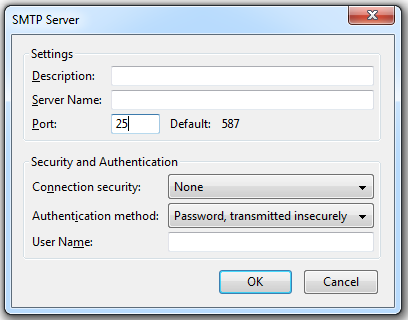
Step 3 – Enter Gmail SMTP Settings
Now configure your email client, website, or application using the following settings:
- SMTP Server: smtp.gmail.com
- Port (TLS): 587
- Port (SSL): 465
- Authentication: Required
- Encryption: TLS or SSL
- Username: Your full Gmail address
- Password: App Password
Make sure encryption is enabled. Gmail will reject unencrypted connections.
Step 4 – Test the SMTP Connection
After configuration:
- Send a test email
- Check for authentication errors
- Verify that the connection is secure (TLS active)
If you receive an error like:
- “535 Authentication Failed”
- “Username and Password not accepted”
- Connection timed out
- Daily limit exceeded
Your issue may be related to security restrictions or sending limits.👉 If Gmail SMTP is not working, read our detailed troubleshooting guide here: Gmail SMTP not working – causes and solutions
Important: Gmail SMTP Is Not Designed for Bulk Sending
Even if correctly configured, Gmail SMTP has strict daily sending limits and aggressive spam protection mechanisms.
Accounts that exceed usage thresholds may be:
- Temporarily blocked
- Rate-limited
- Suspended
We explain Gmail SMTP limits in detail here: Gmail SMTP daily sending limits explained
Common Gmail SMTP Errors (And What They Mean)
Even when using the correct settings, Gmail SMTP may fail due to security restrictions, authentication problems, or sending limits.
Below are the most frequent errors users encounter.
❌ 535 Authentication Failed
This error usually appears when:
- You are using your regular Gmail password instead of an App Password
- 2-Step Verification is not enabled
- The App Password was revoked
In most cases, regenerating a new App Password resolves the issue.If the problem persists, read our complete troubleshooting guide: 👉 Gmail SMTP not working – causes and solutions
❌ Username and Password Not Accepted
This message is often triggered by:
- Suspicious login detection
- New server IP authentication
- Temporary security block
Google may temporarily restrict SMTP access after multiple failed attempts.
❌ Daily Sending Limit Exceeded
Gmail SMTP has strict daily sending limits, including:
- 500 emails per day for standard Gmail accounts
- Up to 2,000 emails per day for Google Workspace
Exceeding these limits can result in a temporary 24-hour block.You can read the full breakdown of Gmail SMTP limits here: 👉 Gmail SMTP daily sending limits explained
❌ Gmail Blocks SMTP Access
In some cases, Google may block outgoing mail if it detects:
- High email volume
- Repetitive sending patterns
- Spam-like behavior
- IP reputation issues
Gmail SMTP was not designed for automated systems or large-scale transactional email.
When Gmail SMTP Is Not the Right Solution
While Gmail SMTP is convenient for personal use or low-volume email sending, it may not be suitable for:
- Websites sending transactional emails
- eCommerce platforms
- Marketing campaigns
- Applications with automated notifications
- High-volume daily sending
Gmail applies:
- Strict rate limits
- Aggressive spam filtering
- Automatic temporary blocks
- Security-based login restrictions
Because of this, many developers and businesses experience unpredictable delivery issues when relying on Gmail SMTP in production environments.
If you’re sending important business emails, using a dedicated SMTP service designed for reliable delivery is usually a safer option.
Professional SMTP providers offer:
- Higher sending limits
- Dedicated IP options
- Authentication stability
- Delivery monitoring
- Reputation management
Gmail SMTP works well for basic use — but it was never built for scalable email infrastructure.
Frequently Asked Questions About Gmail SMTP
Does Gmail require an App Password for SMTP?
Yes. Gmail requires an App Password to authenticate SMTP connections when using external applications, email clients, or websites.
To generate an App Password, you must first enable 2-Step Verification (2FA) in your Google account. Once enabled, you can create a dedicated 16-character App Password specifically for SMTP authentication.
Using your regular Gmail password will result in an “SMTP authentication failed” error.What are Gmail SMTP sending limits?
Gmail SMTP includes strict daily sending limits:
– 500 emails per day for standard Gmail accounts
– Up to 2,000 emails per day for Google Workspace accounts
If these limits are exceeded, Google may temporarily block outgoing mail for up to 24 hours.
For a detailed explanation of Gmail SMTP restrictions and limits, see our complete guide on Gmail SMTP sending limits.